
Off-Grid Living Basics: How to Prepare for Self-Sufficiency
Written by Mason Reed on May 19th 2025
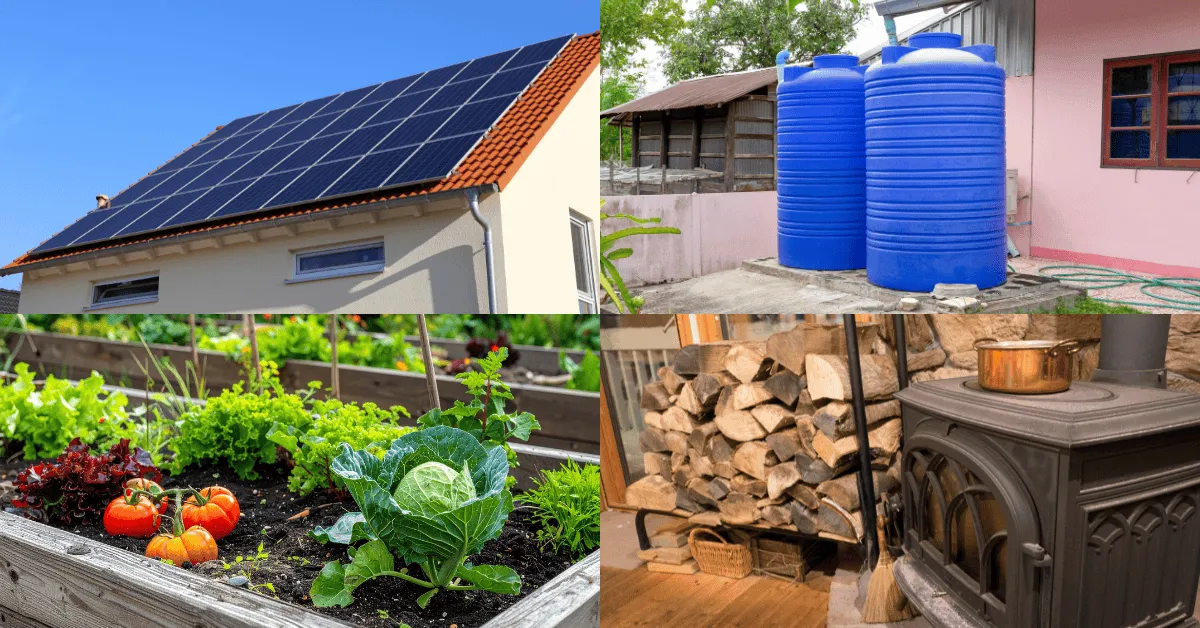
The idea of off-grid living isn’t just about escaping the noise of modern life, it’s about independence, resilience, and taking control of your essentials.
Whether your goal is full self-sufficiency or simply being better prepared for emergencies, learning the basics of off-grid living can dramatically increase your security and peace of mind.
This guide will walk you through the foundational pillars of off-grid preparedness: power, water, food, shelter, and mindset.
🌞 1. Power: Generating Your Own Energy
Electricity is one of the biggest adjustments when going off-grid.
Solar Power Basics
Solar is the most accessible starting point for beginners.
You’ll need:
- Solar panels
- Charge controller
- Battery bank
- Inverter
Start small: even a modest solar generator can power lights, charge phones, and run small appliances.
Backup Power Options
- Portable generators
- Wind turbines (location dependent)
- Battery storage systems
Beginner Tip: Start by calculating your essential power needs, not your comfort needs.
💧 2. Water: Secure, Store, and Purify
Water is non-negotiable.
Collection Options
- Rainwater harvesting systems
- Well water
- Natural sources (streams, lakes - where legal and safe)
Storage
Use:
- Food-grade water barrels
- Large storage tanks
- Gravity-fed containers
Purification
Always include:
- Water filters
- Boiling methods
- Purification tablets
A simple gravity water filter system is one of the smartest early investments.
🌱 3. Food: Growing & Preserving Your Supply
True self-sufficiency begins in the garden.
Start With:
- Raised garden beds
- Easy crops (lettuce, beans, potatoes, tomatoes)
- Composting system
Learn Food Preservation
- Canning
- Dehydrating
- Freezing (if power allows)
Root cellaring
Even a small backyard garden reduces grocery dependency significantly.
🔥 4. Heating & Cooking Without the Grid
In colder climates especially, heating is critical.
Wood Stoves
- Reliable
- Efficient
- Dual-purpose (heat + cooking)
Propane & Outdoor Cooking
- Propane stoves
- Rocket stoves
- Fire pits
Always have at least one non-electric cooking method.
🛠 5. Essential Tools for Off-Grid Readiness
You don’t need dozens of tools, but you need reliable ones.
Core essentials:
- Multi-tool
- Hatchet or axe
- Heavy-duty flashlight
- First aid kit
- Manual hand tools
- Backup batteries
Durability matters more than quantity.
🏡 6. Shelter & Property Considerations
If you’re moving toward full off-grid living, consider:
- Local zoning laws
- Water access rights
- Sun exposure for solar
- Soil quality
- Distance from town
Not all land is equally suited for off-grid life.
🧠 7. The Off-Grid Mindset
This is where most beginners underestimate the journey.
Off-grid living requires:
- Problem-solving ability
- Adaptability
- Patience
- Willingness to learn
Start by reducing reliance, not eliminating it overnight.
Try:
- Weekend grid-down practice
- Growing 10% of your own food
- Installing a small solar system
- Storing 2–4 weeks of water and food
Gradual progress builds sustainable skills.
🚀 How to Start Today (Without Quitting Your Job)
You don’t have to disappear into the wilderness tomorrow.
Start with:
- Emergency preparedness basics
- A small garden
- Water storage
- Backup power solutions
- Learning hands-on skills
Self-sufficiency is built step by step.
Final Thoughts
Off-grid living isn’t about isolation, it’s about resilience.
Even small steps toward self-sufficiency can:
- Reduce monthly expenses
- Increase emergency readiness
- Improve food security
- Build real-world skills
Start small. Build steadily. Stay prepared.
Privacy Policy | Terms Of Service | Anti-Spam | Contact Us
Copyright © 2026 Interactive DIY | All Rights Reserved.
This site is not a part of the Facebook website or Facebook Inc.
Additionally, this site is NOT endorsed by Facebook in any way.
FACEBOOK is a trademark of FACEBOOK, Inc.