
Beginner's Guide to DIY Home Improvement: Tools You Actually Need
Written by Jake Mercer on Oct. 27th 2025
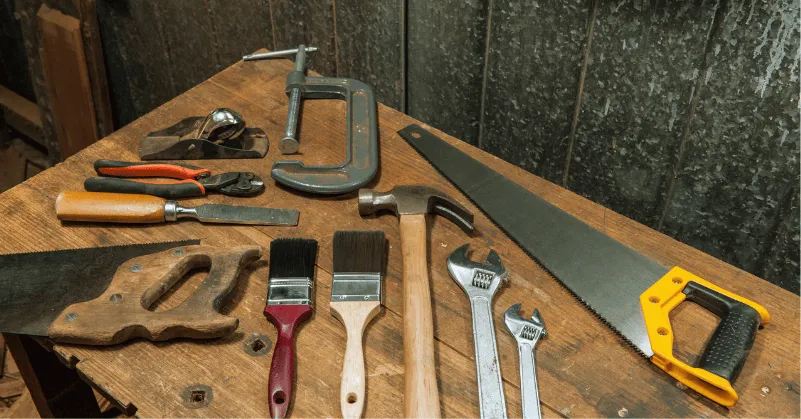
Getting started with DIY home improvement can feel overwhelming. Walk into any hardware store and you’re faced with hundreds of tools, from basic hammers to high-powered saws.
But here’s the truth:
You don’t need everything.
You just need the right essentials.
This beginner-friendly guide breaks down the tools you actually need, why you need them, and how to choose the right ones so you can start projects confidently without wasting money.
Why Start with the Right Tools?
Having the correct tools:
- Saves time
- Improves safety
- Produces cleaner, more professional results
- Prevents frustration
- Reduces costly mistakes
If you're building your DIY toolkit from scratch, focus on quality essentials that can handle 80% of home projects.
🔨 Essential Hand Tools (Your Core Foundation)
These are non-negotiables. Every DIY beginner should own these.
1. Claw Hammer
Perfect for:
- Driving nails
- Removing nails
- Light demolition
Tip: Choose a 16 oz hammer, it’s versatile and beginner-friendly.
2. Screwdriver Set (Flathead & Phillips)
Used for:
- Furniture assembly
- Cabinet hardware
- Electrical faceplates
- Small repairs
Magnetic tips are incredibly helpful.
3. Tape Measure (25 ft)
Accuracy matters in DIY.
Use it for:
- Measuring walls
- Cutting materials
- Hanging shelves
- Planning layouts
Look for one with a locking mechanism and clear markings.
4. Utility Knife
Great for:
- Cutting drywall
- Opening boxes
- Trimming materials
- Scoring surfaces
Always keep spare blades.
5. Adjustable Wrench
Useful for:
- Plumbing repairs
- Tightening bolts
- Installing fixtures
An 8-inch wrench works well for most beginner jobs.
6. Pliers (Standard + Needle Nose)
Helps with:
- Gripping
- Twisting wires
- Removing nails
Small hardware adjustments
⚡ Essential Power Tools (High Impact, High Value)
Once you have the basics, these power tools will dramatically expand what you can do.
1. Cordless Drill (Your #1 Investment)
If you buy one power tool, make it this.
Used for:
- Drilling holes
- Driving screws
- Installing shelves
- Assembling furniture
- Mounting TVs
Look for:
- 18V–20V battery
- Variable speed
- Lithium-ion battery
- Includes drill + driver bits
A drill will be used in almost every project.
2. Circular Saw (For Bigger Projects)
Perfect for:
- Cutting plywood
- Building shelves
- Framing small structures
- Outdoor projects
If you plan on building furniture or garden beds, this is essential.
3. Stud Finder
Helps you:
- Mount shelves safely
- Install heavy décor
- Secure TVs and cabinets
This small device prevents major wall damage.
4. Level (Don’t Skip This)
Crooked shelves = instant regret.
A 24-inch level works well for most home projects.
🦺 Safety Gear (Often Ignored, Always Needed)
Safety isn’t optional.
Make sure you have:
- Safety glasses
- Work gloves
- Ear protection
- Dust mask or respirator
- First aid kit
DIY injuries usually happen when people rush or skip protection.
🧰 Tool Storage: Keep It Organized
As your collection grows, organization becomes important.
Options include:
- Tool bag (great for beginners)
- Portable toolbox
- Wall-mounted pegboard
- Rolling tool chest (for larger setups)
Keeping tools organized saves time and protects your investment.
🏠 What Projects Can You Do With Just These Tools?
With the tools listed above, you can:
- Install floating shelves
- Replace light fixtures
- Patch drywall
- Build simple furniture
- Create outdoor planters
- Mount TVs and artwork
- Upgrade cabinet hardware
- Install curtain rods
That covers most beginner-level home improvements.
💡 Smart Buying Tips for Beginners
1. Start small: buy tools as projects demand them.
2. Avoid ultra-cheap tools (they break and frustrate).
3. Invest in a good drill first.
4. Consider combo kits for better value.
5. Read reviews before buying.
🚀 Your DIY Journey Starts Here
DIY home improvement isn’t about owning every tool, it’s about building skills and confidence step by step.
Start with the essentials.Choose quality over quantity.Focus on practical projects.
Before long, you’ll look back and realize you’ve built not just shelves or furniture, but real capability.
Privacy Policy | Terms Of Service | Anti-Spam | Contact Us
Copyright © 2026 Interactive DIY | All Rights Reserved.
This site is not a part of the Facebook website or Facebook Inc.
Additionally, this site is NOT endorsed by Facebook in any way.
FACEBOOK is a trademark of FACEBOOK, Inc.